
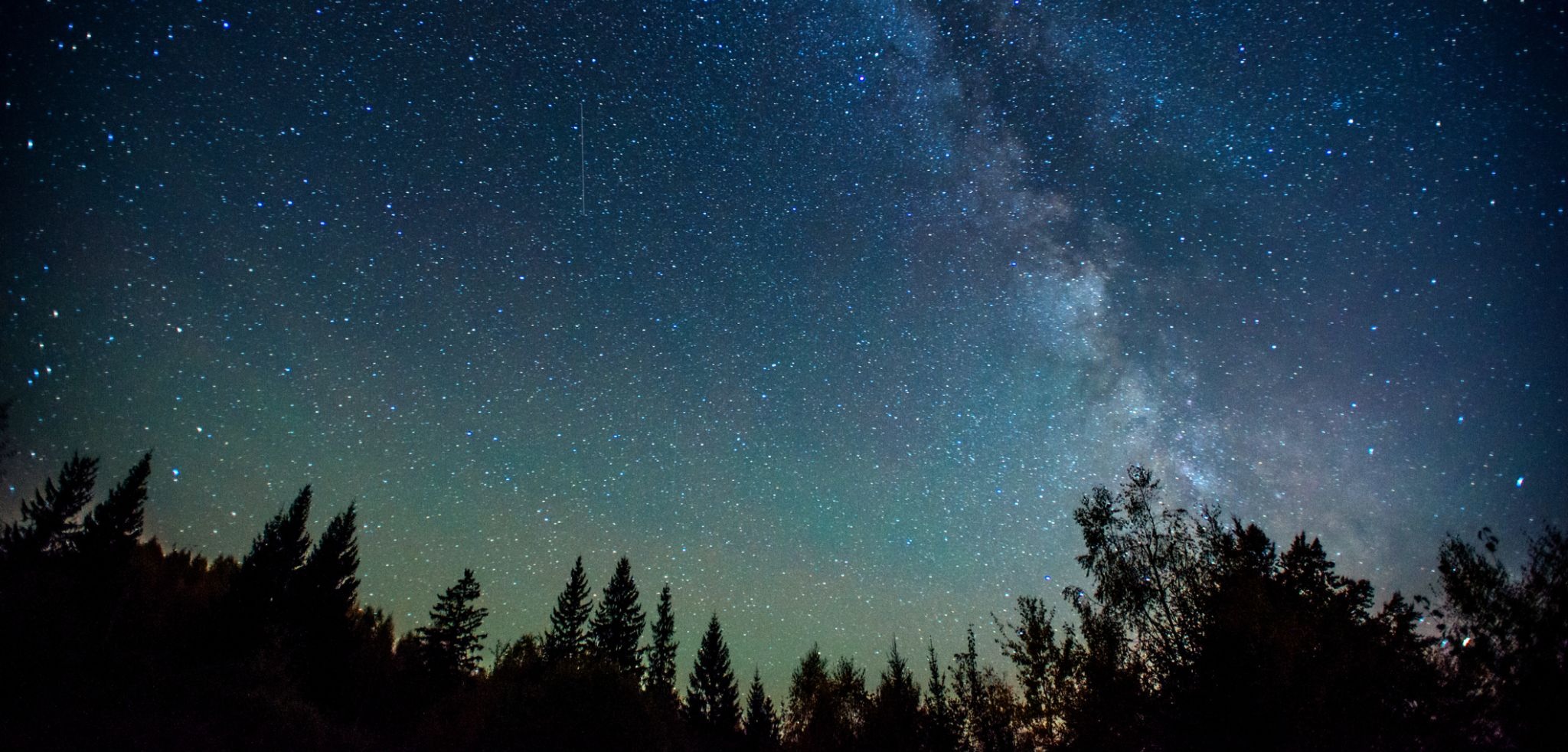
Long before glowing small screens, televisions, laptops, streetlights and schedules competed for our attention, nightfall brought people together. Gathered around fires. Telling stories. Searching the stars for patterns and meaning. We watched the moon rise and wondered what might exist beyond the mountains.
That instinct hasn’t disappeared. And that is part of the magic of spending a fall evening in Colorado’s San Juan Mountains. Here in Ridgway, a certified Colorado dark sky community, darkness isn’t something to escape. It’s something to bathe in.
There are 8 celestial wonders in September that will be seen in the night skies. Chipeta Lodge Resort + Spa in Ridgway is a perfect location for stargazing and experiencing some of these natural phenomena. Ridgway’s unusually dark skies make that sense of wonder easier to discover. And after an evening on a rooftop under the stars, return to a warm, welcoming sanctuary where you can soak in a hot tub, eat delicious local food, relax and reconnect with the people who came along for the adventure.
This fall, gather your tribe at Chipeta Lodge. Go outside. And look up.
September 2026: A Month to Look Up
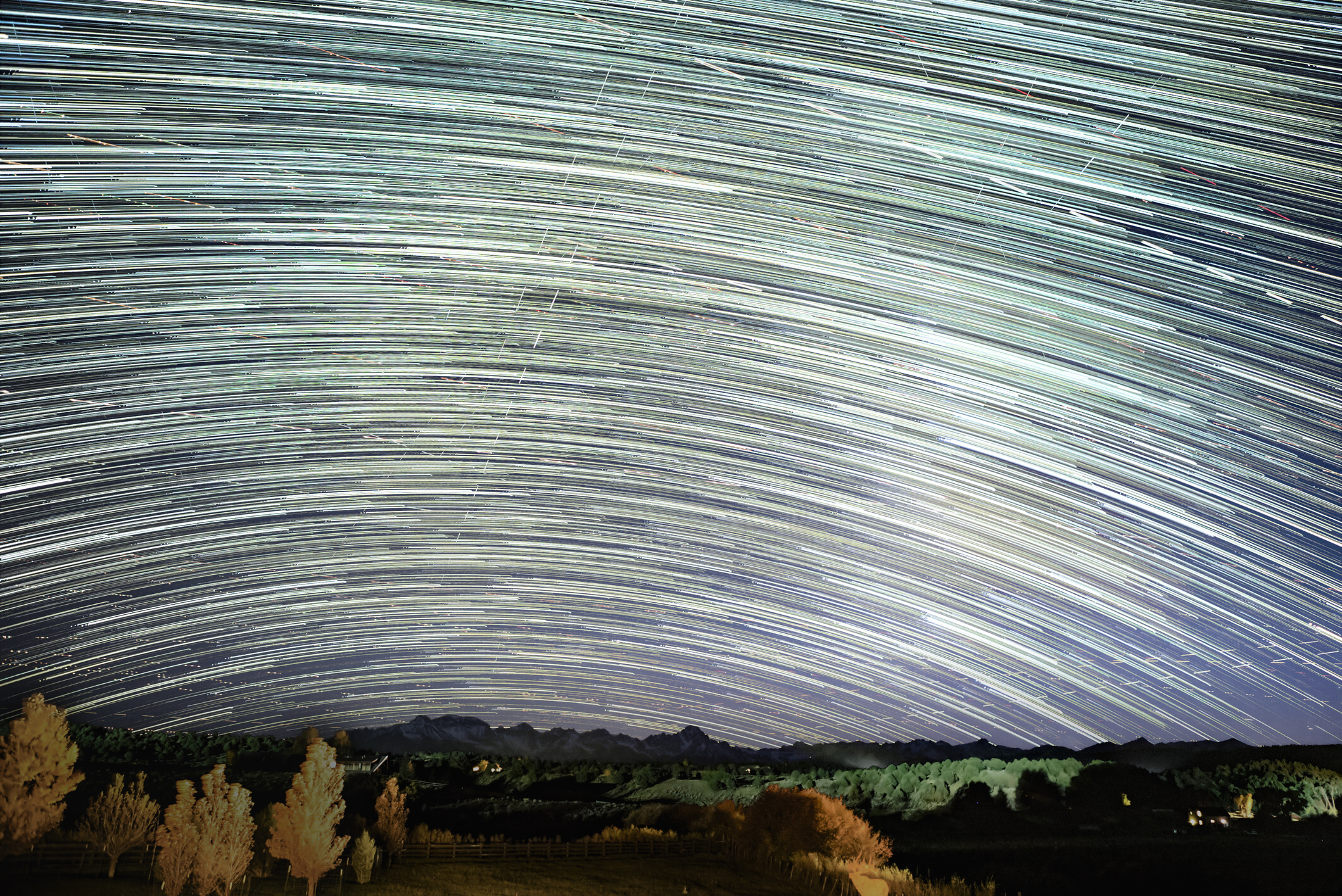
As many Colorado travelers hit the road for autumn foliage, stargazers get an extended season of their own in September. Nights grow longer across much of the Northern Hemisphere, and cooler evening temperatures make spending a few extra hours under the stars in the crisp autumn air a little more inviting. September offers plenty of reasons to stay out after dark, especially if you find yourself in a dark sky community, a stargazing resort or dark-sky park.
September 10: A New Moon Brings Darker Night Skies
September’s new moon arrives at 9:27 MT on September 10, but stargazers and skywatchers can take advantage of exceptionally dark skies both before and after. The Milky Way core should be visible just after sunset in the southwestern sky. Or try locating the Andromeda Galaxy located high in the east-northeast sky near the “W” of the Cassiopeia constellation. You may need a pair of binoculars or a small telescope for viewing this deep-sky object.
September 11: New Moon
One of the best periods for darker skies is near the September 11 New Moon. With little moonlight to compete with the stars, this is an especially good time to search for the Milky Way and fainter celestial objects.
September 14-20: Prime Sky Viewing
NASA highlights September 14–20 as an opportunity to use the Moon to locate Antares and the “Teapot” of Sagittarius, with darker skies revealing the Milky Way’s bright central region. Then look west after sunset.
Throughout September, Venus shines brilliantly in the evening sky, reaching peak brilliance around September 18. Find an unobstructed western horizon after sunset and the planet should be difficult to miss.
September 19: International Observe The Moon Night
NASA’s annual worldwide celebration that encourages people to observe and learn about Earth’s closest celestial neighbor. No telescopic equipment required. Just step outside, find the Moon and gaze skyward.
September 22: September Equinox
The Fall equinox occurs on September 22, officially beginning astronomical fall in the Northern Hemisphere. In the mountains, the transition feels tangible.
The air cools quickly after sunset. Shadows lengthen and jackets have to be pulled from suitcases. The smell of autumn is palpable; it’s a wonderful time to make an annual fall pilgrimage to the mountains. Watch sunset over the San Juans. Stay outside as the first stars appear. See how many constellations you and your group can identify. Then head back toward the warmth and comfort of a fire pit or a hot tub.
Adventure out. Return back to the warmth and protection and the feeling of home. It’s a rhythm humans have followed for thousands of years.
September 26: Watch the Harvest Moon Rise
September’s celestial finale is one of the easiest sky events for everyone to enjoy. On September 26, the Harvest Moon rises in the east shortly after sunset, accompanied in the same region of the sky by Saturn and much fainter Neptune. Saturn can be spotted with the naked eye, while Neptune requires binoculars or a telescope.
The Harvest Moon is especially fitting in the mountains. Watch the last sunlight disappear from the peaks as the moon begins rising on the opposite horizon. Bring a blanket. Pour something warm. Let everyone keep phones in their pockets for a while.
Children can search for shapes on the lunar surface. Couples can simply sit together. Friends can talk about everything—or nothing at all.
October Brings Meteors from Halley’s Comet
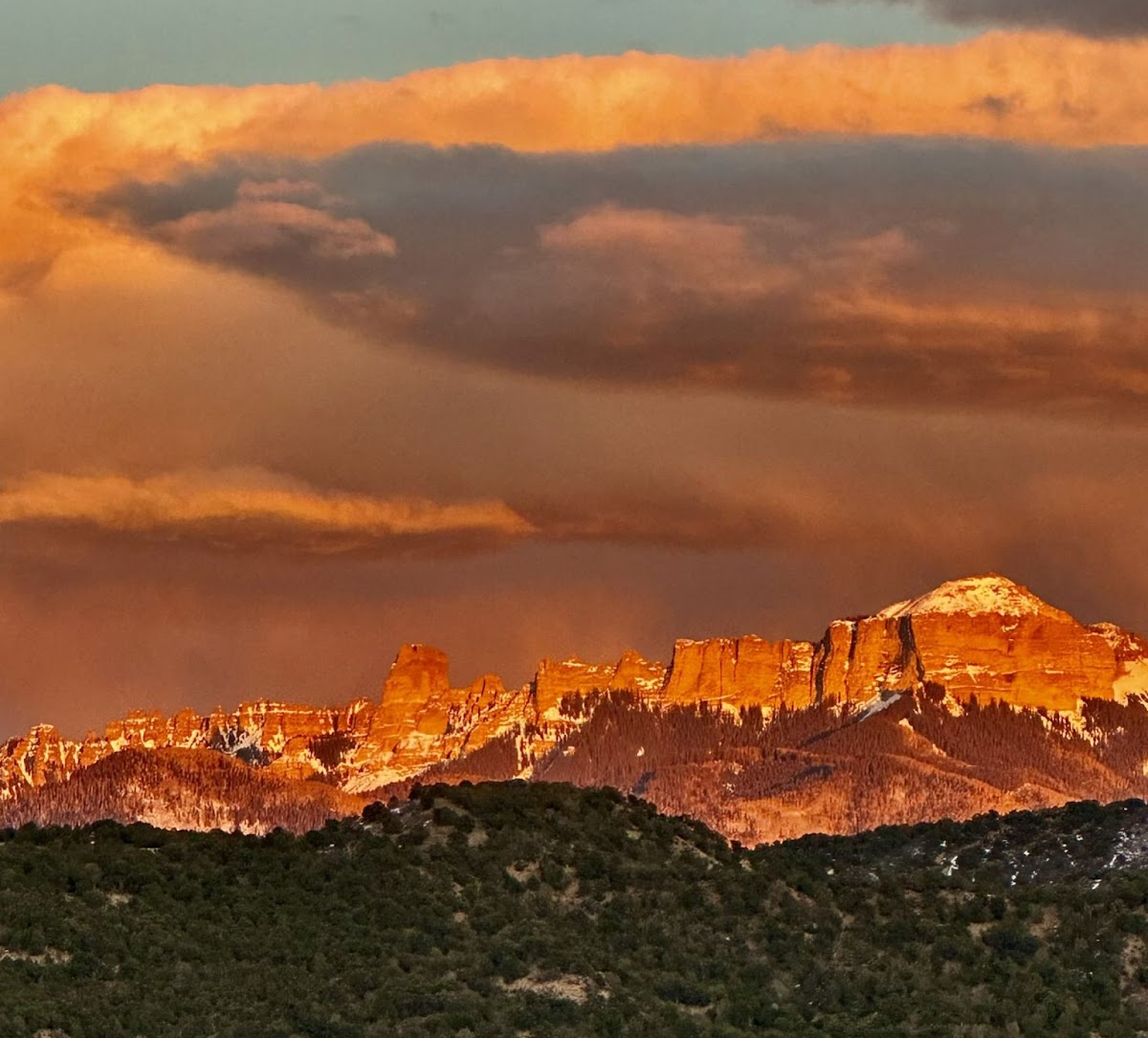
The show continues after September.
From October 2 through November 7, Earth passes through debris associated with Halley’s Comet, producing the annual Orionid meteor shower. The Orionids peak on the night of October 21–22, 2026 and typically produce roughly 10 to 20 meteors per hour under dark conditions.
The Orionids are particularly beautiful because they are extraordinarily fast, entering Earth’s atmosphere at about 41 miles per second.
Meteor showers are rewarded by patience. Plan to bundle up, find a comfortable place, settle into a sleeping bag or a launch chair, and allow your eyes to adjust. Scan a wide portion of the sky. Then wait.
Part of the wonder is not knowing exactly when that sudden streak of light will arrive.
November: Fireballs and the Leonids
As fall deepens, another pair of meteor showers makes November especially appealing for night-sky viewers.
The Southern Taurids are active through much of fall and reach a listed peak around November 4–5, 2026. The Northern Taurids peak around November 11–12. Neither produces huge numbers of meteors, but the Taurids have a different calling card: bright fireballs. The Northern Taurids’ 2026 peak also benefits from a Moon only about 7 percent illuminated, creating favorable dark-sky conditions after the crescent Moon sets.
Next arrive the Leonids, active November 6–30 and peaking November 16–17. Leonid meteors are exceptionally fast and can be bright and colorful. Imagine seeing one streak across a cold, clear Colorado sky while standing on a rooftop with a full view of the San Juan Mountains.
If luck is with you, you’ll all be looking in the same direction at exactly the right moment. For a shared core memory that won’t soon be forgotten.
Make Stargazing a Family or Friends Tradition

Humans have always gathered beneath the stars. This fall, you can recreate that tradition with your own tribe. Plan a couples’ getaway and make a nighttime walk part of the evening. Bring your closest friends and replace another night scrolling through phones with a few hours staring into the universe. Bring children and let them choose constellations to find. Travel with grandparents and ask what stars they remember watching as kids.
Pack warm layers, a few blankets, gloves and hats as fall progresses. Bring sleeping bags and reclining camp chairs if you’re heading to a dedicated viewing spot. Use a red-light flashlight instead of a bright white one to help preserve night vision. Binoculars can help reveal surprising details, although the naked eye is often the best instrument for meteor watching.
Most importantly, slow down and give yourself time. It can take around 20 minutes for your eyes to become well adapted to darkness. Once they do, the sky begins revealing things that weren’t obvious when you first stepped outside.
Why Ridgway Is for Stargazing
The difference between a city sky and a truly dark mountain sky can be astonishing. Ridgway is an officially recognized International Dark Sky Community, thanks to the community’s efforts to reduce unnecessary artificial light and preserve the natural nighttime environment. Nearby Top Of The Pines is also an International Dark Sky Park.
Because of these special efforts, the resulting night sky around Ridgway feels dramatically different from what most of us see at home.
On a clear, moonless night, the Milky Way can emerge overhead. Familiar constellations become easier to recognize. Satellites quietly cross the darkness. Meteors occasionally streak through the atmosphere. Even without a telescope, there’s plenty to see.
But stargazing here isn’t simply about identifying celestial objects. It’s about scale.
Standing beneath thousands of stars with the dark silhouettes of the San Juans surrounding you have a way of making everyday worries feel smaller. For families, couples and groups of friends, it also creates something increasingly rare: a shared experience with very few distractions.
Venture Into the Night. Then Return to the Warmth.
There is another reason fall stargazing can feel so satisfying. It’s cold outside. And warm inside.
Human beings have always understood the pleasure of returning to warmth after venturing into the wild. A glowing fire feels warmer after you’ve stood beneath a cold sky. A hot meal tastes better after an outdoor adventure in the cold. Conversation comes easier when everyone settles into a comfortable place together. Chipeta Lodge Resort + Spa makes that return part of the experience.
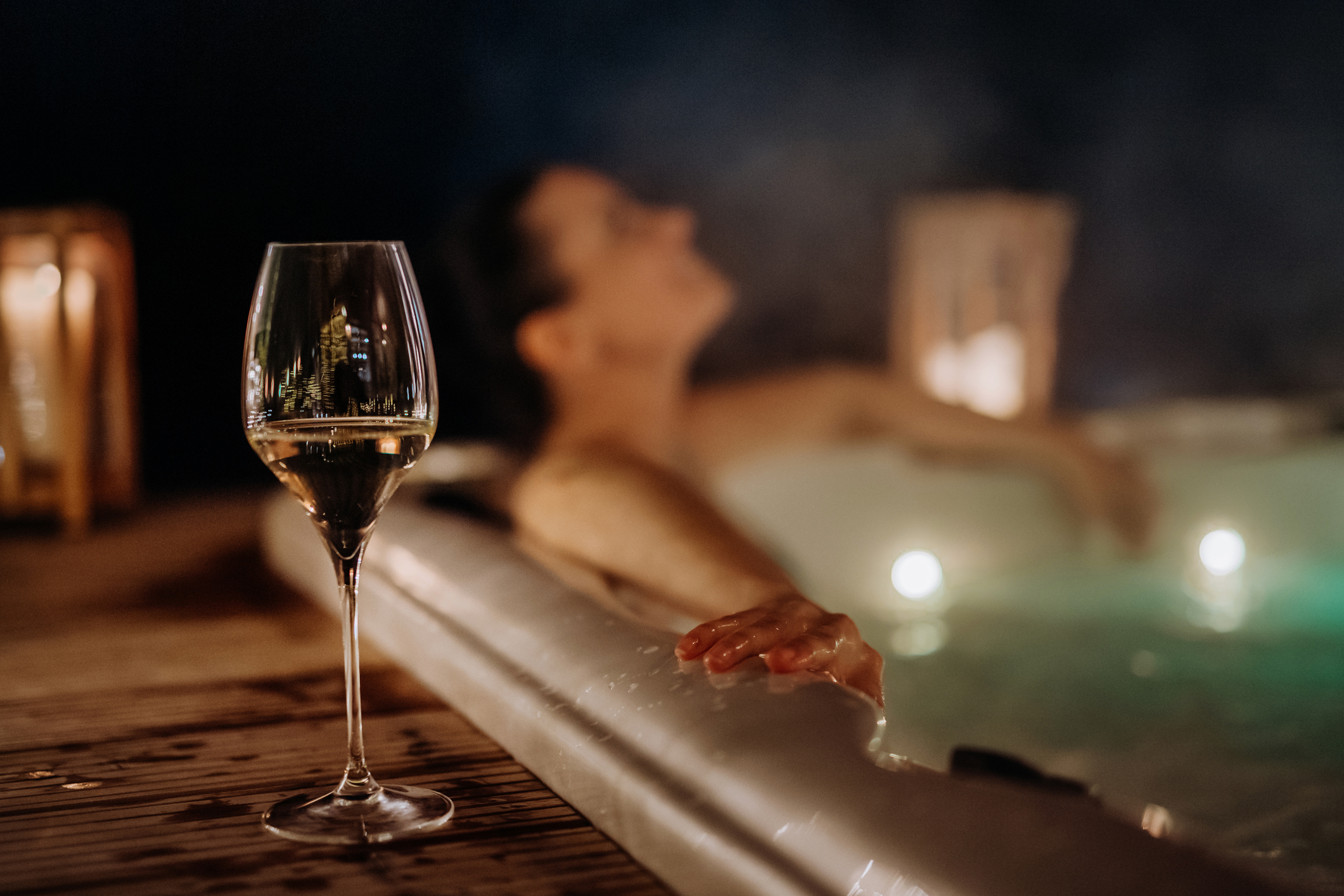
Explore Ridgway and the surrounding San Juan Mountains in the afternoon. Watch the sunset. Stay outside as twilight disappears and the stars emerge. Then come home to a mountain sanctuary. Slip into one of Chipeta’s outdoor hot tubs and look upward again. The lodge’s setting makes soaking beneath a star-filled Colorado sky one of the property’s most memorable experiences.
Enjoy Happiness Hour at White Buffalo Restaurant + Bar. Try one of many craft cocktails designed for the fall season to warm up your insides. Tell stories. Compare what everyone saw. Retreat to your room knowing that tomorrow there will be mountains to explore—and tomorrow night, an entirely new sky overhead.
The Luxury of Wonder
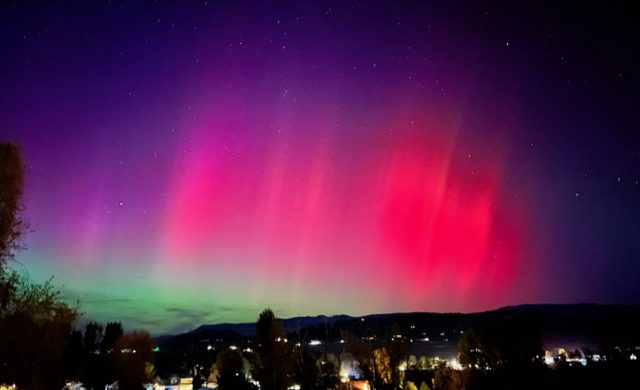
We tend to think of luxury as something we acquire. Sometimes the greater luxury is something we experience.
Time. Darkness. Silence. Warmth.
A sky filled with stars. And the people we most want beside us when we see it.
This September and fall, come to Ridgway for something increasingly difficult to find elsewhere: a place dark enough to remind you how bright the universe really is.
Watch Venus glow above the mountains. Celebrate the equinox. See the Harvest Moon rise. Wait for a meteor to flash unexpectedly across the sky. Then return from the vastness of the night to the warmth of Chipeta Lodge Resort + Spa, where the hot tubs are waiting, dinner is nearby, and your people are gathered around you.
The stars give you a reason to wander outside this fall. Chipeta Lodge Resort + Spa gives you a place to gather in warmth.

